10 November 2026
The Science Behind Modern Termite Control Services
Presented by @augustgtmk324
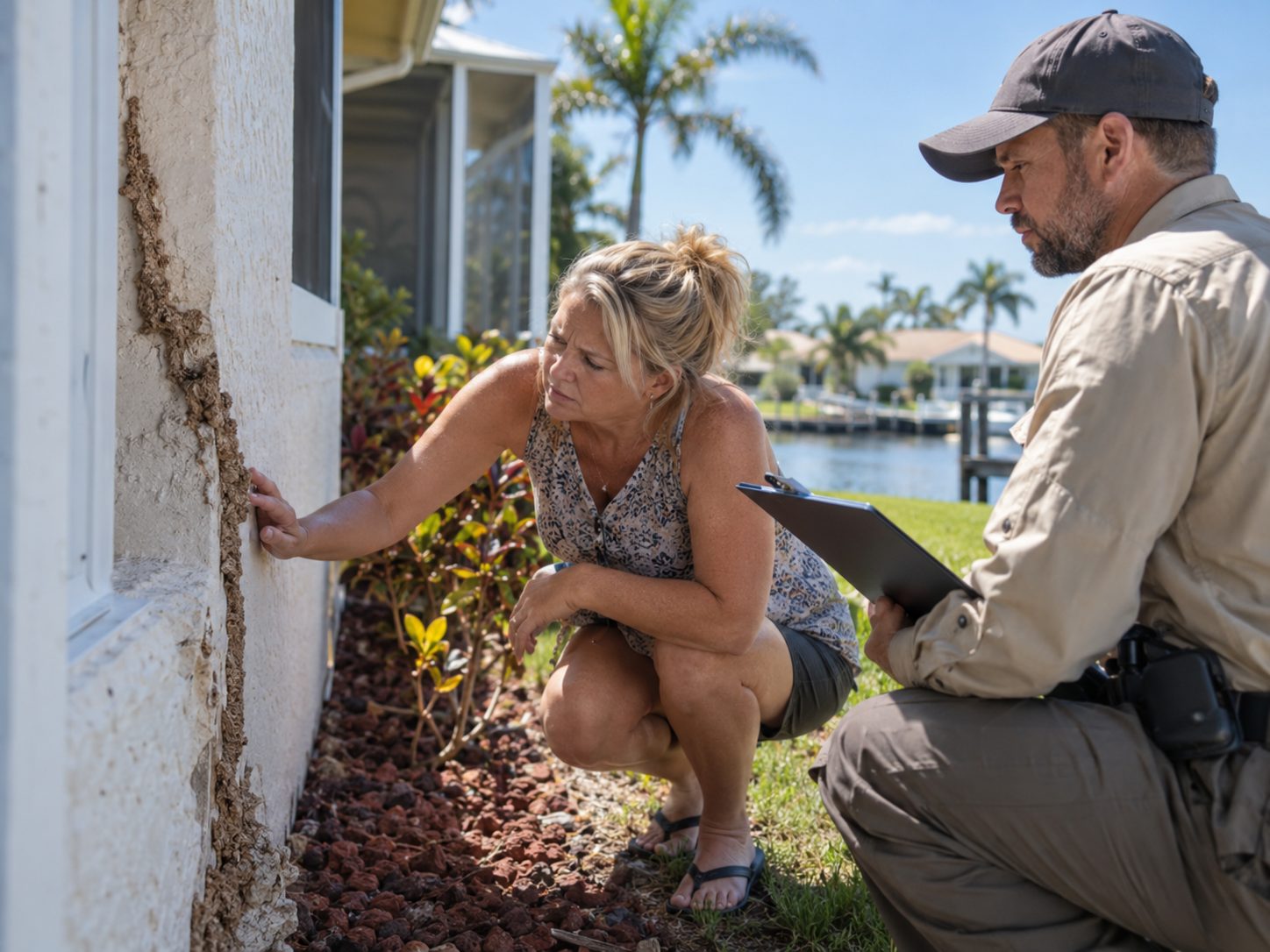
Termites do not look impressive. They are soft-bodied, quiet, and easy to miss. Yet in the right conditions, a mature colony can move through structural wood for years before anyone notices the damage. That mismatch between appearance and impact is exactly why termite work has changed so much over the past few decades. Modern termite control services are no longer built around guesswork, routine spraying, or a single one-size-fits-all treatment. They rely on insect biology, building science, chemistry, moisture management, and long-term monitoring.
Anyone who has spent time around infested properties learns quickly that termites reward patience and punish assumptions. A wall can sound solid and still be hollowed behind the paint. A home can pass a casual visual check while an active colony feeds below a slab. A treatment can seem successful for six months and then fail because one expansion joint, one plumbing penetration, or one hidden moisture source was overlooked. Good termite control is scientific in the truest sense. It depends on observation, testing, known behavior patterns, and careful interpretation of evidence.
Why termites are so hard to control
The first scientific challenge is the insect itself. Subterranean termites, the species most professionals deal with in many regions, do not live in the wood they damage. They live in the soil, where moisture levels are more stable, and travel outward through shelter tubes or hidden cracks to reach a food source. Drywood termites behave differently, nesting directly in the wood they consume, often in attics, fascia boards, trim, and exposed framing. Dampwood termites add another layer, usually showing up where wood stays wet for long periods.
That matters because treatment has to match the biology. If the colony remains in the ground, attacking only the visible damage in the wall will not solve the problem. If the infestation is drywood and isolated to a few members or trim boards, extensive soil treatment may do very little. Effective termite control services begin by identifying the termite type, the route of entry, and the conditions allowing the infestation to continue.
Another reason termites are difficult is their social structure. A colony is not a loose gathering of insects. It is an organized system of workers, soldiers, reproductives, and in some species supplementary reproductives that help the colony survive disturbance. Workers continuously forage, share food, and move resources through trophallaxis, which is the transfer of food or fluids between termites. Modern bait systems take advantage of that social feeding behavior. Older treatment models often did not.
Temperature, humidity, soil composition, and building design also affect termite pressure. A raised foundation with good airflow behaves differently from a monolithic slab with multiple plumbing penetrations. Homes with heavy mulch against the wall, poor drainage, and chronic leaks are far more vulnerable than dry, well-ventilated structures. The science of termite control is therefore not only about insects. It is also about the environment those insects exploit.
Inspection is where the science begins
The public often thinks of treatment as the real work and inspection as the preliminary step. In practice, inspection is where most of the important decisions are made. A careful inspector is reading subtle clues and translating them into a likely infestation pattern.
Mud tubes on foundation walls suggest subterranean activity, but they do not tell the whole story. Tubes may be active, abandoned, or exploratory. Hollow sounding trim may indicate feeding, but fungal rot can mimic termite damage. Winged swarmers near a window might point to an established colony inside the structure, or they may have entered from outdoors during a swarming event. Frass, the pellet-like droppings associated with drywood termites, has a distinctive shape and texture, but inexperienced eyes can confuse it with debris from other wood-destroying insects.
Professionals increasingly use tools that sharpen those observations. Moisture meters help identify areas where leaks or trapped humidity have made wood attractive. Borescopes allow visual access inside voids with minimal damage. Infrared cameras can sometimes reveal temperature differences associated with moisture or compromised materials, though they are not a standalone termite detector. Acoustic emission devices and microwave motion tools have niche value in some settings, particularly when trying to confirm activity without opening a wall immediately.
None of these tools replace judgment. They support it. A skilled termite specialist knows that instruments can suggest a pattern, but direct evidence still matters. I have seen moisture readings point toward a probable termite area only for an exploratory opening to reveal old water damage and no insects. I have also seen a nearly invisible mud seam behind a water heater lead to widespread hidden activity under a slab-on-grade home. Technology improves accuracy, but interpretation remains central.
The chemistry of modern liquid treatments
For subterranean termites, liquid termiticides remain one of the most reliable tools when applied correctly. The science behind them has changed significantly. Years ago, many treatments relied on strong repellent chemicals. These products could create a barrier, but termites sometimes detected and avoided treated soil. If the treatment zone was incomplete, which often happened around utility lines, cold joints, or inaccessible areas, foraging termites could simply route around it.
Modern non-repellent termiticides work differently. Termites move through treated soil without recognizing the chemical as a threat. As they tunnel, they contact the active ingredient and carry contamination back into the colony through grooming and social interaction. The goal is not merely to block movement but to exploit normal termite behavior.
This distinction matters in the field. A repellent product may look effective at first because activity stops in the exact spot that was treated. A non-repellent has the potential to affect a broader portion of the foraging population, especially when the treated zone is continuous and termites continue to pass through it. Common active ingredients used in modern structural treatments have been selected for soil stability, low mammalian toxicity relative to older chemistries, and delayed enough action to allow transfer before the termite dies.
Application science is just as important as chemistry. The label is not a suggestion. Concentration, trench depth, drill spacing, volume per linear foot, and soil type all influence performance. Clay-heavy soils hold water and chemicals differently from sandy soils. Excessively wet ground can interfere with uniform distribution. In some structures, foam applications are used in wall voids or hollow block foundations to reach inaccessible galleries or bridge gaps in the treatment zone. The quality of the application often matters more than the marketing around the product.
Why baiting systems changed the industry
Baiting brought a different scientific model to termite control services. Instead of creating a treated boundary in the soil, bait systems place cellulose-based monitoring and bait stations in the ground where foraging termites are likely to encounter them. Once termites begin feeding, the bait is replaced or supplemented with an insect growth regulator or similar active ingredient that prevents normal molting. Workers continue feeding and share the bait throughout the colony. Because termites must molt to grow and survive, the colony declines over time.
This is elegant science because it turns termite social behavior against them. It also requires patience. Liquid treatments often provide faster visible suppression near the structure. Baits may take longer because the termites have to find the stations, recruit nestmates, and distribute enough active ingredient to create population collapse. For some properties, that is a worthwhile trade-off. Baits are especially attractive where trenching and drilling are limited by construction type, where environmental sensitivity is a concern, or where owners prefer a lower-volume chemical approach.
Bait systems are not set-and-forget devices. Stations must be inspected, serviced, and documented. A neglected bait system is little more than buried plastic. In programs that are well managed, the records themselves become part of the science. Seasonal feeding trends, station pressure, and recurring hot spots can reveal how termites are interacting with the property over time.
A practical way to compare the two major approaches is this:
| Approach | Main strength | Main limitation | | --- | --- | --- | | Liquid non-repellent treatment | Faster creation of a treated zone around the structure | Requires precise application and access to critical soil areas | | Baiting system | Colony suppression through termite feeding behavior | Slower results and ongoing service is essential | | Combined approach | Broad protection with monitoring and suppression | Higher cost and more planning |
Many experienced operators prefer a combined strategy on high-risk structures. Not because either method is weak, but because buildings are imperfect and termite pressure is unpredictable. Redundancy has value when repair costs can easily run into the thousands or tens of thousands of dollars.
Localized treatments, foams, and wood applications
Not every infestation calls for full perimeter work or whole-structure intervention. Localized treatments have become more refined, especially for drywood termite activity or discrete subterranean attacks in accessible areas. Borate wood treatments are a good example. Borates penetrate unfinished wood and remain there, disrupting the termite's ability to digest cellulose when ingested. They are especially useful during new construction, renovations, crawlspace framing work, or when exposed structural members can be treated directly.
Foam applications serve a different purpose. When termiticide is mixed and expanded into a foam, Termite Control Services it can move through voids, galleries, and wall spaces more effectively than a liquid stream alone. This is useful around window headers, wall studs, or masonry voids where hidden activity is suspected. Foam is not magic. Its value depends on proper placement and knowing where the termites actually are.
Spot treatment for drywood termites can work well when the infestation is truly isolated. The danger lies in underestimating the extent. Drywood termites often spread beyond the first kick-out hole or visible pellet pile. If galleries extend into connected framing, a small injection into the obvious site may reduce activity without eliminating the infestation. That is why inspection quality matters so much before choosing a limited treatment.
Whole-structure fumigation and when it still makes sense
Fumigation is often misunderstood. It is neither outdated nor excessive by definition. It is a highly specialized whole-structure treatment, most often used for widespread drywood termite infestations that cannot be reliably isolated. During fumigation, the structure is sealed and a gas is introduced at a concentration and exposure time calculated to penetrate all infested wood. The gas leaves no residual protection once the structure is aerated, but if the process is done correctly, it can eliminate termites throughout the building, including areas no liquid, dust, or foam could confidently reach.
The science here is tightly controlled. Dosage is influenced by structure volume, temperature, target pest biology, and the sealing quality of the enclosure. Monitoring devices confirm that gas concentrations remain within the required lethal exposure window. This is not simply "tent the house and hope." It is a measured process with strict safety protocols.
Fumigation is usually not the first answer for subterranean termites because their colony is in the soil and can reinvade after the gas dissipates. For drywood termites spread through inaccessible framing, however, fumigation remains one of the most dependable tools available. The decision comes down to infestation scope, construction design, and whether localized treatment can genuinely cover all affected wood.
Moisture control is not a side issue
One of the clearest changes in professional termite work is the growing emphasis on moisture management. Termites, especially subterranean species, thrive where wood stays damp or where water defects support concealed movement. Modern termite control services often include recommendations that are not pesticide treatments at all: fix the leaking hose bib, lower the soil line, redirect downspouts, improve crawlspace ventilation, repair shower pan leaks, remove wood-to-soil contact.
This is building science, not sales padding. If the environmental conditions remain favorable, the treatment has to work harder and may face more reinfestation pressure. In crawlspaces, for example, chronic humidity above recommended levels can soften wood, support fungal decay, and create ideal conditions for termites to expand. In slab homes, poor drainage near expansion joints can keep soil moist enough to sustain persistent foraging pressure right at the foundation edge.
A short list of common conditions that raise termite risk includes:
- Wood siding, trim, or lattice touching the soil
- Dense mulch piled against the foundation
- Chronic plumbing or roof leaks
- Poor drainage that keeps soil wet near the structure
- Untreated scrap lumber or cellulose debris in crawlspaces
These are not guarantees of infestation, but they sharply improve the odds from the termite's point of view.
Data, documentation, and why follow-up matters
The best termite programs are documented programs. This is where science becomes operational discipline. Treatment diagrams, drill maps, product records, station logs, moisture findings, and follow-up inspection notes create a history of the property. That history becomes valuable when a problem recurs or when a new owner wants to understand prior activity.
Follow-up also addresses a basic reality: termite work unfolds over time. Colonies respond on biological timelines, not customer timelines. A non-repellent treatment may stop visible activity quickly in one house and take longer in another, depending on colony size and how the termites are interacting with the treated zone. A bait station may remain untouched for months and then show intense feeding during a seasonal shift. A repaired moisture issue may reduce pressure, but damage already present still needs structural assessment.
This is why reputable providers rarely promise simplistic outcomes. They describe expected performance, explain limitations, and schedule reinspections. They know that a structure is a living system of materials, moisture, and movement. Cracks widen, landscaping changes, additions alter drainage, and hidden leaks develop. The science does not end on treatment day.
The trade-offs homeowners should understand
Homeowners often want a single answer to the question, "What is the best termite treatment?" There usually is not one. There is the best approach for a specific structure, infestation type, budget, access condition, and risk tolerance.
Liquid treatments often make sense when a home has clear subterranean activity and the foundation design allows a thorough application. They can be fast, durable, and highly effective. But they may require drilling through slabs, porches, garages, or finished surfaces.
Bait systems are appealing when owners want ongoing monitoring or when construction limits a continuous liquid barrier. They can suppress colonies effectively, but they demand professional maintenance and a willingness to think in months rather than days.
Localized drywood treatment can save money and avoid the disruption of fumigation when activity is small and well defined. If the infestation is broader than it appears, that same choice can delay the inevitable and increase repair costs later.
Fumigation can feel drastic, but for widespread drywood termite activity in a complex structure, it may actually be the most conservative option because it addresses the full scope rather than chasing visible pockets.
A good provider explains those trade-offs plainly. If every house receives the same pitch, the science is missing.
Prevention is more precise than people think
Prevention used to be discussed in generic terms, but it has become much more specific. During construction, pretreating soil before slab placement, protecting bath traps and plumbing penetrations, using borate-treated framing in vulnerable areas, and detailing flashing and moisture barriers properly can make a substantial difference. In existing homes, annual inspections remain important because early-stage termite activity is far cheaper to address than long-standing hidden damage.
Even landscaping choices play a role. Thick ground cover against walls, irrigation overspray hitting the foundation every morning, and decorative timbers buried in mulch create conditions termites like. By contrast, a visible inspection gap between soil and siding, controlled irrigation, and prompt repair of water defects make the property less inviting and make inspection easier.
For owners trying to reduce risk after treatment, a practical maintenance routine helps:
- Keep exterior wood and siding clear of soil contact
- Repair leaks promptly, especially around baths, kitchens, and hose bibs
- Avoid storing firewood or lumber against the house
- Maintain drainage so water moves away from the foundation
- Schedule regular professional inspections even if no activity is visible
None of these steps replaces treatment when termites are active, but they improve the odds that a treatment will hold up and that new activity will be detected early.
What modern termite control gets right
The most important shift in modern termite control services is not a single product or tool. It is the move away from reaction and toward systems thinking. Termites are managed by understanding colony biology, foraging behavior, moisture dependence, chemical transfer, structural vulnerability, and long-term monitoring as connected parts of one problem.
That approach tends to produce quieter success. There is no dramatic before-and-after moment when a homeowner can always see the value. Sometimes the best outcome is simply that a station shows no new feeding after sustained activity, a moisture source is corrected before a colony expands, or a targeted treatment in a remodel prevents a future infestation entirely. Professional termite work often looks uneventful from the outside because the science is doing its job before the damage becomes obvious.
For property owners, the practical takeaway is simple. Look for providers who inspect thoroughly, identify the termite species, explain why a treatment fits the structure, document what they do, and pay attention to moisture and construction details, not just chemicals. Termite control is at its strongest when it behaves less like a quick service call and more like applied field science. That is what modern practice has become, and it is why the best results now come from precision, not just product.
Maximum Pest Control
836 NE 7th Terrace Suite #5
Cape Coral, FL 33909
+1 239-772-7363
FAQ About Termite Control Services
What are two signs of a termite infestation?
Mud tubes along a foundation and piles of shed wings near doors or windows are two signs to investigate. Mud tubes are associated with subterranean termites. A licensed inspector can identify the insect and assess whether there is active infestation.
How many years does a termite treatment last?
There is no single timeline for all treatments. The method, site conditions, and maintenance affect how long protection lasts. Bait systems rely on monitoring and service. Ask the provider for the recommended inspection schedule and the terms of any coverage.
Is Termite Treatment Expensive in Cape Coral?
Cost depends on the termite species, the size and construction of the property, the extent of activity, and the treatment method. Request a written estimate after inspection and ask whether monitoring, follow-up visits, and renewals are included.